

How to transport Sodium Metaaluminate Liquid safely?
Aug 29, 2025
Sodium metaaluminate liquid is a crucial chemical compound widely used in various industries, including water treatment, paper manufacturing, and construction. As a supplier of high-quality sodium metaaluminate liquid, I understand the importance of safe transportation to ensure the product reaches our customers in optimal condition while adhering to strict safety standards. In this blog post, I will share some essential guidelines on how to transport sodium metaaluminate liquid safely.
Understanding Sodium Metaaluminate Liquid
Before delving into transportation safety, it's essential to have a basic understanding of sodium metaaluminate liquid. Sodium metaaluminate, with the chemical formula NaAlO₂, is a white crystalline solid that forms a clear, colorless to slightly yellowish liquid when dissolved in water. It is highly alkaline and corrosive, which means proper handling and transportation are of utmost importance to prevent accidents and ensure the safety of everyone involved.

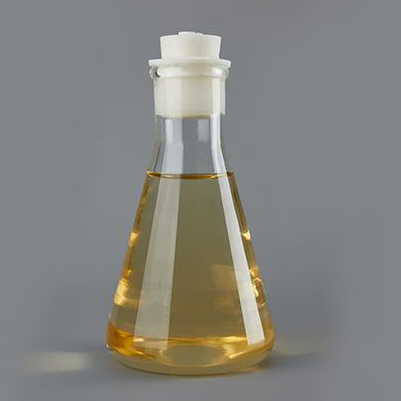
The properties of sodium metaaluminate liquid can vary depending on its concentration. For instance, 37% Concentration Of Sodium Metaaluminate has different characteristics compared to other concentrations. Higher concentrations generally mean higher alkalinity and corrosiveness, which can pose greater risks during transportation.
Regulatory Compliance
One of the first steps in ensuring safe transportation of sodium metaaluminate liquid is to comply with all relevant regulations. Different countries and regions have specific laws and regulations governing the transportation of hazardous chemicals, including sodium metaaluminate. These regulations cover aspects such as packaging, labeling, documentation, and transportation modes.
For example, in the United States, the Department of Transportation (DOT) has strict rules regarding the transportation of hazardous materials. The DOT requires that sodium metaaluminate liquid be classified as a hazardous substance and transported in approved packaging that meets specific standards. The packaging must be labeled with appropriate hazard warnings, including the UN number (in this case, 11138 - 49 - 1 Sodium Metaaluminate may be associated with a particular UN number), and the shipper must provide detailed documentation, such as a bill of lading and a safety data sheet (SDS).
It's crucial for suppliers and transporters to stay updated on these regulations and ensure that all transportation activities are in full compliance. Failure to comply with these regulations can result in significant fines, legal liabilities, and, most importantly, endanger the safety of people and the environment.
Packaging
Proper packaging is essential for the safe transportation of sodium metaaluminate liquid. The packaging must be able to withstand the corrosive nature of the liquid and prevent leaks or spills during transit. Here are some key considerations for packaging sodium metaaluminate liquid:
- Material Selection: Choose packaging materials that are resistant to corrosion by sodium metaaluminate. Common materials include high - density polyethylene (HDPE) drums, stainless steel tanks, and fiberglass - reinforced plastic (FRP) containers. These materials can provide a reliable barrier between the liquid and the external environment.
- Sealing: Ensure that the packaging is properly sealed to prevent any leakage. This may involve using gaskets, seals, or other sealing mechanisms that are compatible with sodium metaaluminate. Regular inspections of the seals should be carried out to detect any signs of wear or damage.
- Size and Capacity: Select packaging sizes and capacities that are appropriate for the quantity of sodium metaaluminate liquid being transported. Overfilling the packaging can increase the risk of spills, while using containers that are too large may result in unnecessary movement of the liquid during transit, which can also lead to leaks.
Labeling
Clear and accurate labeling is another critical aspect of transporting sodium metaaluminate liquid safely. The labels should provide essential information about the contents of the package, including the chemical name, concentration, hazard warnings, and emergency contact information. Here are some key elements that should be included on the labels:
- Chemical Name: Clearly state the name "Sodium Metaaluminate Liquid" on the label.
- Concentration: Indicate the concentration of the sodium metaaluminate liquid, such as 37%, to provide information about its properties and potential hazards.
- Hazard Warnings: Use internationally recognized hazard symbols and warning statements to alert handlers and transporters about the risks associated with sodium metaaluminate liquid. These may include symbols for corrosiveness, toxicity, and environmental hazards.
- UN Number and Class: Display the appropriate UN number and hazard class for sodium metaaluminate liquid, as assigned by the relevant regulatory authorities.
Transportation Modes
The choice of transportation mode can also impact the safety of transporting sodium metaaluminate liquid. Different modes of transportation, such as road, rail, and sea, have their own advantages and challenges.
- Road Transportation: Road transportation is often the most common method for transporting sodium metaaluminate liquid over short to medium distances. When using road transport, it's important to ensure that the vehicles are properly maintained and equipped with safety features, such as spill containment systems and emergency response equipment. Drivers should be trained in handling hazardous materials and follow all traffic regulations.
- Rail Transportation: Rail transportation can be a cost - effective and efficient option for transporting large quantities of sodium metaaluminate liquid over long distances. However, it also requires strict compliance with rail - specific regulations. Railcars used for transporting sodium metaaluminate liquid must be inspected regularly and meet all safety standards.
- Sea Transportation: For international shipments or long - distance transportation, sea transportation may be the preferred option. When transporting sodium metaaluminate liquid by sea, it's crucial to follow international maritime regulations, such as the International Maritime Dangerous Goods (IMDG) Code. The containers must be properly stowed and secured on the vessel to prevent movement and damage during the voyage.
Handling and Loading/Unloading
Proper handling during loading and unloading is essential to prevent accidents and spills. Here are some best practices for handling sodium metaaluminate liquid:
- Training: Ensure that all personnel involved in the handling, loading, and unloading of sodium metaaluminate liquid are properly trained. They should be familiar with the properties of the liquid, the safety procedures, and the use of personal protective equipment (PPE).
- PPE: Provide appropriate PPE, such as gloves, goggles, and protective clothing, to all handlers. The PPE should be made of materials that are resistant to corrosion by sodium metaaluminate.
- Equipment: Use suitable equipment for loading and unloading, such as pumps, hoses, and valves. The equipment should be regularly inspected and maintained to ensure its proper functioning.
- Spill Containment: Have spill containment measures in place, such as spill kits and absorbent materials, at the loading and unloading areas. In case of a spill, immediate action should be taken to contain and clean it up to prevent environmental contamination.
Emergency Preparedness
Despite all precautions, emergencies can still occur during the transportation of sodium metaaluminate liquid. It's essential to have a comprehensive emergency preparedness plan in place to respond quickly and effectively to any incidents. The emergency plan should include the following elements:
- Emergency Response Procedures: Develop clear and detailed emergency response procedures for different types of incidents, such as spills, leaks, and fires. These procedures should outline the steps to be taken by the personnel involved, including evacuation, containment, and cleanup.
- Training and Drills: Conduct regular training sessions and drills for all personnel involved in the transportation of sodium metaaluminate liquid. The training should cover emergency response procedures, the use of emergency equipment, and first - aid techniques.
- Emergency Equipment: Ensure that all transportation vehicles and facilities are equipped with appropriate emergency equipment, such as fire extinguishers, spill kits, and first - aid kits. The equipment should be regularly inspected and maintained to ensure its readiness.
- Communication: Establish effective communication channels for reporting emergencies and coordinating the response. This may involve having emergency contact numbers readily available and ensuring that all personnel know how to use the communication systems.
Conclusion
Transporting sodium metaaluminate liquid safely requires a comprehensive approach that encompasses regulatory compliance, proper packaging, labeling, choice of transportation mode, handling, and emergency preparedness. As a supplier of Liquid Sodium Metaaluminate, I am committed to ensuring that our products are transported in the safest possible manner.
If you are interested in purchasing sodium metaaluminate liquid, we invite you to contact us for more information and to discuss your specific requirements. Our team of experts is ready to assist you in finding the right product and ensuring its safe transportation to your location.
References
- Department of Transportation (DOT), United States. Regulations on the Transportation of Hazardous Materials.
- International Maritime Dangerous Goods (IMDG) Code.
- Safety Data Sheets (SDS) for Sodium Metaaluminate Liquid.