

Is Liquid Sodium Metaaluminate corrosive to metals?
Aug 15, 2025
Hey there! As a supplier of Liquid Sodium Metaaluminate, I often get asked whether this stuff is corrosive to metals. It's a super important question, especially for industries that rely on metal equipment. So, let's dig into it and find out what's going on.
First off, let's understand what Liquid Sodium Metaaluminate is. It's a chemical compound that's widely used in various industries. You can find more about its specific applications here: Sodium Metaaluminate for Accelerator and Sodium Aluminate for Molecular Sieve. It's made up of sodium, aluminum, and oxygen, and it comes in a liquid form. This liquid is highly alkaline, which is a key factor when we're talking about its corrosive properties.
When we say a substance is corrosive, we mean it can cause damage to materials, especially metals, by chemical reactions. Corrosion can lead to all sorts of problems, like weakening the metal, changing its appearance, and even causing it to fail completely. So, does Liquid Sodium Metaaluminate do this to metals?
Well, the answer isn't a simple yes or no. It depends on a few things. One of the main factors is the type of metal we're dealing with. Some metals are more resistant to corrosion than others. For example, stainless steel is known for its good corrosion resistance. It has a thin layer on its surface that protects it from many corrosive substances. But even stainless steel isn't completely immune. If it's exposed to Liquid Sodium Metaaluminate for a long time, especially in high concentrations, there's a chance it could start to corrode.
On the other hand, metals like iron and carbon steel are more vulnerable. They don't have that same protective layer as stainless steel. When they come into contact with the alkaline Liquid Sodium Metaaluminate, a chemical reaction can occur. The hydroxide ions in the solution can react with the metal, causing it to dissolve over time. This is what we call corrosion.
Another important factor is the concentration of the Liquid Sodium Metaaluminate. A higher concentration means there are more reactive molecules in the solution. This increases the likelihood and the speed of corrosion. For instance, a 37% Concentration Of Sodium Metaaluminate is going to be more corrosive than a lower concentration solution. The more concentrated the solution, the more aggressive it is towards metals.
The temperature also plays a role. Higher temperatures generally speed up chemical reactions, including corrosion. So, if the Liquid Sodium Metaaluminate is heated, it can corrode metals faster than at room temperature. This is something to keep in mind for industries that use this chemical in processes where high temperatures are involved.
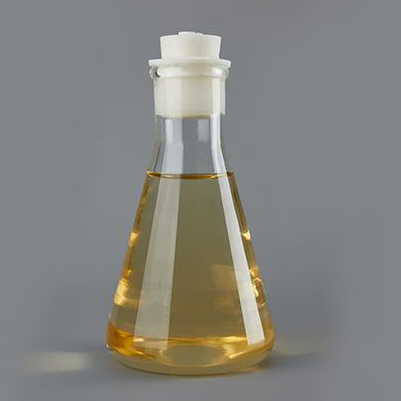

The duration of exposure is another crucial aspect. A short, one - time exposure to Liquid Sodium Metaaluminate might not cause significant corrosion. But if a metal is constantly in contact with it, say in a storage tank or a pipeline, the chances of corrosion increase over time.
Now, let's talk about how we can deal with this potential corrosion issue. One way is to use protective coatings on the metals. These coatings act as a barrier between the metal and the Liquid Sodium Metaaluminate. There are different types of coatings available, like epoxy coatings, which are very good at preventing corrosion. By applying a coating, we can significantly reduce the risk of the metal being damaged.
Another option is to choose the right type of metal for the job. If we know we're going to be working with Liquid Sodium Metaaluminate, we can select metals that are more resistant to corrosion. This might cost a bit more upfront, but it can save a lot of money in the long run by avoiding the need for frequent repairs or replacements.
In some cases, we can also adjust the conditions of use. For example, we can try to keep the temperature down or reduce the concentration of the solution. This can help to slow down the corrosion process.
As a supplier of Liquid Sodium Metaaluminate, I understand the importance of providing high - quality products and also giving useful information to my customers. I want to make sure that when you use our Liquid Sodium Metaaluminate, you're aware of the potential risks and how to manage them.
If you're in an industry that could benefit from Liquid Sodium Metaaluminate, whether it's for accelerating construction processes or for making molecular sieves, I'd love to talk to you. We have different concentrations and grades available to meet your specific needs. And if you have any questions about corrosion or how to handle this chemical safely, I'm here to help. Just reach out to start a conversation about your requirements and how we can work together.
In conclusion, Liquid Sodium Metaaluminate can be corrosive to metals, but the degree of corrosion depends on factors like the type of metal, concentration, temperature, and duration of exposure. By taking the right precautions, we can minimize the risks and use this useful chemical effectively.
References
- Various textbooks on chemical corrosion and metal protection
- Industry research papers on the properties and applications of Liquid Sodium Metaaluminate