

What is the role of Liquid Sodium Metaaluminate in the synthesis of zeolites?
Aug 12, 2025
Hey there! As a supplier of Liquid Sodium Metaaluminate, I've seen firsthand how this compound plays a crucial role in the synthesis of zeolites. In this blog, I'll break down what Liquid Sodium Metaaluminate is, how it fits into the zeolite - making process, and why it's so important.
First off, let's talk a bit about zeolites. Zeolites are these super - cool, porous aluminosilicate minerals. They've got a three - dimensional framework structure that's full of tiny pores and channels. These pores are like little rooms where molecules can go in and out, which makes zeolites super useful in all sorts of applications. You'll find them in water purification systems, gas separation processes, and even as catalysts in the petrochemical industry.
Now, onto Liquid Sodium Metaaluminate. Chemically, it's written as NaAlO₂. It's basically a compound made up of sodium, aluminum, and oxygen. In its liquid form, it's more reactive and easier to handle compared to its solid counterpart. And it's this reactivity that makes it a star player in zeolite synthesis.
One of the main roles of Liquid Sodium Metaaluminate in zeolite synthesis is as an aluminum source. Zeolites are made up of aluminum and silicon atoms that are connected by oxygen bridges. To build these aluminosilicate frameworks, you need a reliable source of aluminum, and that's where Liquid Sodium Metaaluminate comes in. When it's added to the reaction mixture for zeolite synthesis, the aluminum in the sodium metaaluminate gets incorporated into the growing zeolite structure.
The reaction conditions for zeolite synthesis are pretty specific. You usually mix Liquid Sodium Metaaluminate with a silica source, like sodium silicate, in an alkaline solution. The alkaline environment helps to break down the silica and metaaluminate species so that they can react with each other. The sodium ions in the Liquid Sodium Metaaluminate also play a key role here. They act as charge - balancing cations within the zeolite structure.
Let's dig a bit deeper into the reaction mechanism. When Liquid Sodium Metaaluminate and the silica source are mixed, the aluminum and silicon species start to form oligomers. These are like small building blocks that then link together to form the larger zeolite framework. The rate at which these oligomers form and react with each other can be influenced by factors like the concentration of the reactants, the temperature, and the pH of the solution.
Concentration is a big deal. If the concentration of Liquid Sodium Metaaluminate is too low, there might not be enough aluminum to form a well - structured zeolite. On the other hand, if it's too high, it could lead to the formation of unwanted by - products. That's why having the right concentration is crucial. For example, our 37% Concentration Of Sodium Metaaluminate is a popular choice among our customers because it provides a good balance for many zeolite synthesis processes.
Temperature also affects the reaction. Higher temperatures generally speed up the reaction rate, but they can also change the type of zeolite that's formed. Different zeolite structures have different stability ranges, and by adjusting the temperature, you can control which structure is favored.

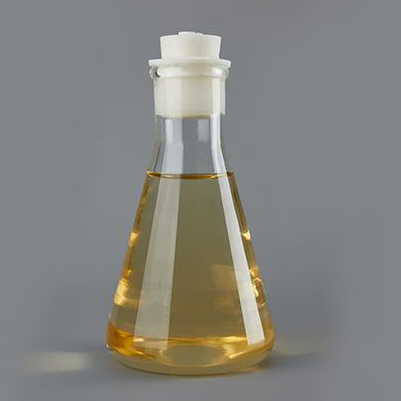
Another important aspect is the purity of the Liquid Sodium Metaaluminate. Impurities can interfere with the zeolite synthesis process and affect the quality of the final product. As a supplier, we make sure that our Liquid Sodium Metaaluminate is of high purity. This ensures that our customers get consistent results when they're synthesizing zeolites.
Now, let's talk about some of the different types of zeolites that can be made using Liquid Sodium Metaaluminate. One of the most common ones is Zeolite A. It's widely used in laundry detergents as a water softener. To make Zeolite A, you typically need to carefully control the ratio of the silica to the aluminum from the Liquid Sodium Metaaluminate, as well as the reaction conditions.
There's also Zeolite X and Zeolite Y, which are used in gas separation and as catalysts. These zeolites have larger pore sizes compared to Zeolite A, and the synthesis process for them also relies on Liquid Sodium Metaaluminate to provide the necessary aluminum.
In addition to being an aluminum source, Liquid Sodium Metaaluminate can also influence the morphology of the zeolite crystals. The way the crystals grow and their final shape can affect the performance of the zeolite in its application. By adjusting the amount and the addition rate of Liquid Sodium Metaaluminate, you can control the crystal size and shape.
Our Sodium Metaaluminate for White Carbon Black is another product that has unique properties suitable for specific zeolite synthesis needs. White carbon black is often used in rubber and plastic industries, and the Liquid Sodium Metaaluminate used in its synthesis has to meet certain requirements to ensure the quality of the final product.
The 11138 - 49 - 1 Sodium Metaaluminate we offer is also a well - known form in the market. It's been tested and proven to work effectively in various zeolite synthesis processes.
As a supplier, we understand that every customer's needs are different. Whether you're a small - scale researcher looking to experiment with zeolite synthesis or a large - scale manufacturer, we can provide the right type and amount of Liquid Sodium Metaaluminate for your project.
If you're in the business of zeolite synthesis and are looking for a reliable supplier of Liquid Sodium Metaaluminate, we'd love to hear from you. We can offer technical support and advice on the best product for your specific application. Contact us to start a discussion about your requirements, and let's work together to make high - quality zeolites.
References
- Breck, D. W. (1974). Zeolite Molecular Sieves: Structure, Chemistry, and Use. Wiley - Interscience.
- Cundy, C. S., & Cox, P. A. (2003). The hydrothermal synthesis of zeolites: precursors, intermediates and reaction mechanism. Chemical Society Reviews, 32(6), 173 - 188.