

What is the viscosity of Liquid Sodium Metaaluminate?
Sep 03, 2025
Viscosity is a crucial physical property that significantly influences the handling, processing, and application of liquid substances. In the context of industrial chemicals, understanding the viscosity of a particular liquid can provide valuable insights into its behavior and performance. This blog post aims to delve into the topic of the viscosity of liquid sodium metaaluminate, exploring its significance, factors affecting it, and practical implications for our operations as a supplier.
Understanding Liquid Sodium Metaaluminate
Liquid sodium metaaluminate is a chemical compound with the formula NaAlO₂. It is commonly used in various industrial applications, including water treatment, pulp and paper production, and the manufacturing of ceramics and refractories. As a supplier, we recognize the importance of providing high - quality liquid sodium metaaluminate that meets the specific requirements of our customers.
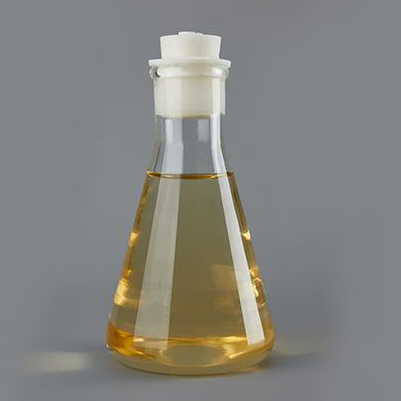

The Sodium Metaaluminate for Water Treatment is one of the key applications where our product shines. In water treatment processes, it acts as a coagulant aid, helping to remove impurities and suspended solids from water. The 11138 - 49 - 1 Sodium Metaaluminate is a specific form of the compound that adheres to certain purity and quality standards, ensuring consistent performance in various applications. Additionally, the 37% Concentration Of Sodium Metaaluminate is a popular choice among our customers, offering a balance between effectiveness and ease of handling.
Significance of Viscosity
Viscosity can be defined as a measure of a fluid's resistance to flow. It plays a vital role in determining how a liquid behaves under different conditions. In the case of liquid sodium metaaluminate, viscosity affects several aspects of its use:
Handling and Transfer
When it comes to transporting liquid sodium metaaluminate from storage tanks to processing equipment, viscosity can have a significant impact. A highly viscous liquid requires more energy to pump and transfer, which can increase operational costs. On the other hand, a low - viscosity liquid flows more easily, reducing the energy requirements for handling and minimizing the risk of blockages in pipelines.
Mixing and Reactivity
In industrial processes, liquid sodium metaaluminate often needs to be mixed with other chemicals. Viscosity affects the ease of mixing and the rate at which chemical reactions occur. A less viscous liquid can mix more readily with other substances, ensuring a more uniform distribution and potentially enhancing the efficiency of chemical reactions.
Product Quality
The viscosity of liquid sodium metaaluminate can also influence the quality of the final products in which it is used. For example, in the production of ceramics, the viscosity of the sodium metaaluminate solution can affect the consistency and texture of the ceramic slurry, ultimately impacting the quality and performance of the finished ceramic products.
Factors Affecting the Viscosity of Liquid Sodium Metaaluminate
Several factors can influence the viscosity of liquid sodium metaaluminate:
Concentration
The concentration of sodium metaaluminate in the liquid solution is one of the most significant factors affecting viscosity. Generally, as the concentration increases, the viscosity of the solution also increases. This is because a higher concentration means more sodium metaaluminate molecules are present in the solution, leading to stronger intermolecular forces and greater resistance to flow. Our 37% Concentration Of Sodium Metaaluminate has a different viscosity compared to lower - concentration solutions, which is an important consideration for customers with specific processing requirements.
Temperature
Temperature has an inverse relationship with the viscosity of liquid sodium metaaluminate. As the temperature rises, the kinetic energy of the molecules in the solution increases. This causes the intermolecular forces to weaken, allowing the molecules to move more freely and reducing the viscosity of the liquid. Conversely, at lower temperatures, the molecules have less kinetic energy, and the intermolecular forces become stronger, resulting in a more viscous solution.
Impurities
The presence of impurities in the liquid sodium metaaluminate can also affect its viscosity. Impurities can disrupt the normal intermolecular interactions in the solution, either increasing or decreasing the viscosity depending on their nature and concentration. As a supplier, we take great care to ensure that our products have a low level of impurities, maintaining consistent viscosity and quality.
Measuring the Viscosity of Liquid Sodium Metaaluminate
Accurately measuring the viscosity of liquid sodium metaaluminate is essential for quality control and process optimization. There are several methods available for measuring viscosity:
Capillary Viscometers
Capillary viscometers work on the principle that the time taken for a liquid to flow through a capillary tube is related to its viscosity. By measuring the flow time and using the appropriate calibration constants, the viscosity of the liquid can be determined. This method is relatively simple and cost - effective, making it a popular choice for routine viscosity measurements.
Rotational Viscometers
Rotational viscometers measure the torque required to rotate a spindle or bob in a liquid sample. The viscosity is then calculated based on the relationship between the torque and the rotational speed. Rotational viscometers offer more flexibility and can be used to measure a wide range of viscosities, making them suitable for more complex applications.
Practical Implications for Our Supply
As a supplier of liquid sodium metaaluminate, understanding the viscosity of our product is crucial for meeting the needs of our customers:
Customization
We can use our knowledge of viscosity to customize the properties of liquid sodium metaaluminate to suit specific customer requirements. For example, if a customer needs a product with a lower viscosity for easier handling, we can adjust the concentration or temperature during the manufacturing process to achieve the desired viscosity.
Quality Assurance
Regular viscosity measurements are an important part of our quality assurance process. By monitoring the viscosity of our products, we can ensure that they meet the specified quality standards and perform consistently in various applications.
Technical Support
We can provide technical support to our customers based on our understanding of viscosity. If a customer is experiencing issues with handling or processing our product, we can offer advice on how to adjust the viscosity or optimize the process to improve performance.
Conclusion
In conclusion, the viscosity of liquid sodium metaaluminate is a critical property that has far - reaching implications for its handling, processing, and application. As a supplier, we are committed to providing high - quality products with consistent viscosity. By understanding the factors that affect viscosity and using appropriate measurement techniques, we can ensure that our liquid sodium metaaluminate meets the diverse needs of our customers.
If you are interested in learning more about our liquid sodium metaaluminate products or have specific requirements regarding viscosity and other properties, we encourage you to reach out to us for a detailed discussion. Our team of experts is ready to assist you in finding the best solutions for your industrial applications.
References
- Atkins, P., & de Paula, J. (2014). Physical Chemistry. Oxford University Press.
- Perry, R. H., & Green, D. W. (2007). Perry's Chemical Engineers' Handbook. McGraw - Hill.
- Lide, D. R. (Ed.). (2009). CRC Handbook of Chemistry and Physics. CRC Press.